The Floating Local Option Sales Tax is headed to a vote in November.
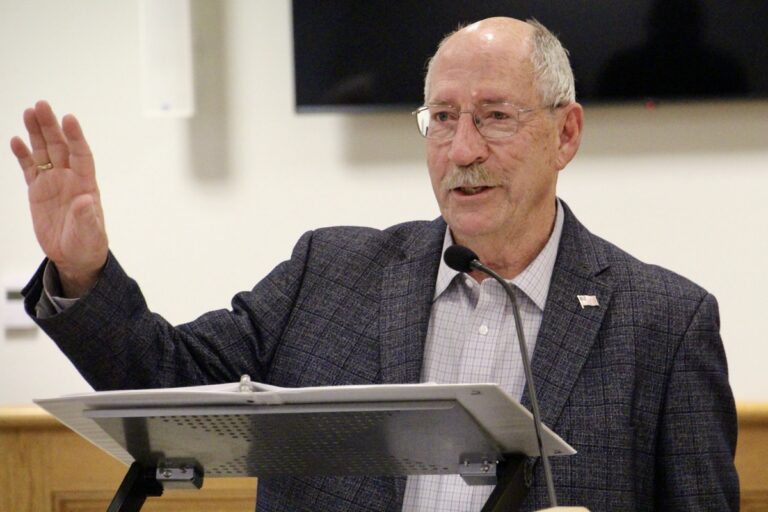
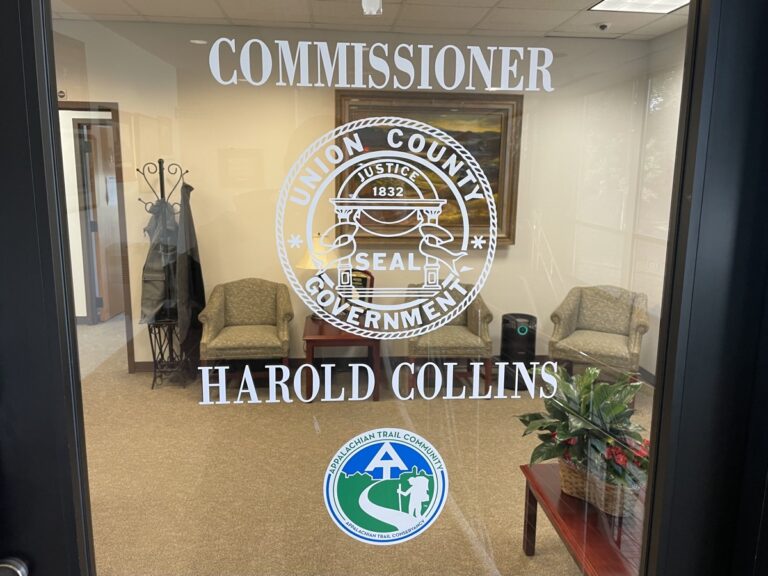
In his Aug. 21 regular meeting at the Union County Courthouse, Sole Commissioner Harold Collins adopted a resolution calling an election for voters to decide if they want to impose another 1% local sales tax to provide a substantial tax break for property owners.
The election will take place on Tuesday, Nov. 4, to feature three weeks of early voting in the runup to Election Day. A referendum for the additional sales tax will appear on ballots alongside the statewide election for two Public Service Commission seats.
If a majority of voters say “yes” to FLOST, then the local sales tax will increase to 8% in Union County come January 2026. Conversely, the property tax rate for the county will drop by nearly 3 mills starting in the 2027 tax year.
As background, last year, the Georgia General Assembly passed House Bill 581, which was signed into law by the governor and ratified in a statewide constitutional amendment vote.
In addition to tax reforms, HB 581 established a new adjusted base-year homestead exemption, aka the “floating” homestead exemption, for tax relief on homesteaded properties in response to steep pandemic-era inflation in the housing market.
The law also created a new sales tax known as FLOST that can be imposed to reduce property taxes and offset losses from the new exemption that compound over time. Importantly, FLOST would benefit all property owners in the county, not just those with homesteads.
FLOST is similar to the legislatively enacted Local Option Sales Tax, or LOST, in that it can only be used to reduce property taxes, as opposed to the Special Purpose Local Option Sales Tax, or SPLOST, that must be applied toward capital projects.
However, FLOST is like SPLOST in the way it is enacted, requiring majority support among county voters in a local referendum.
Union County and the City of Blairsville decided earlier this year to “opt in” to the new exemption, paving the way for the local governments to call a FLOST referendum to be decided on by voters here.
This month, both the Blairsville City Council and Union County Government approved an intergovernmental agreement to enable the election call. The agreement sets the terms of the FLOST, which will see the city sharing in the proceeds.
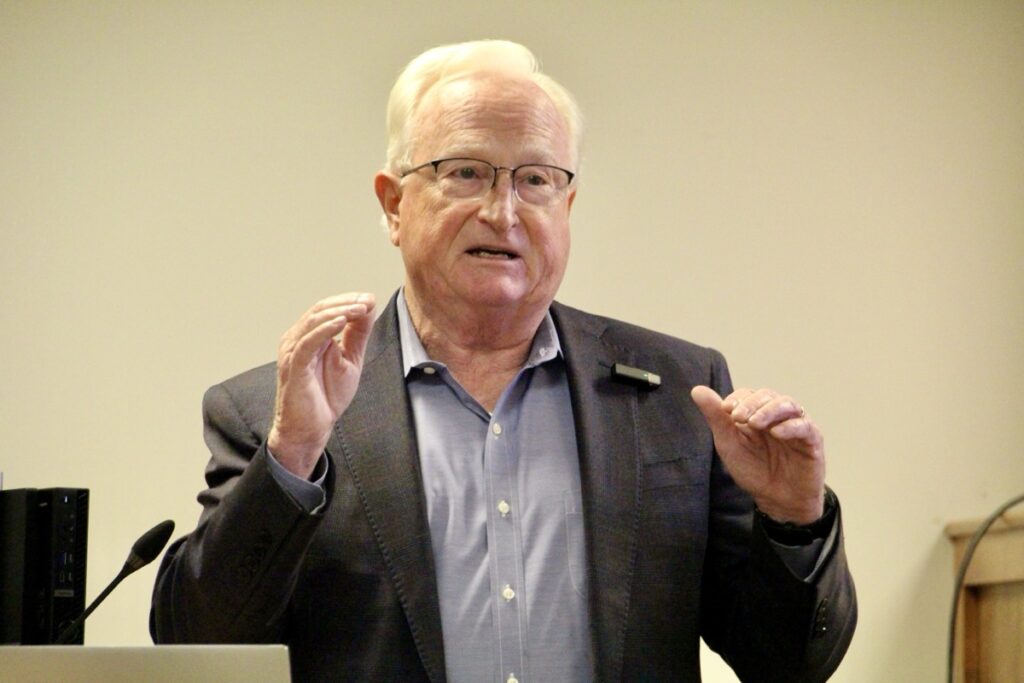
Collins welcomed Phil Sutton, a consultant with project management company Rochester & Associates LLC, to give a FLOST presentation to educate attendees of the Aug. 21 meeting. Rochester & Associates received $16,500 to prepare the FLOST referendum for November.
As detailed by Sutton, FLOST is to be used “exclusively for tax relief” and is revenue neutral, meaning the county and city would have to roll back their property tax rates to reflect the amount raised by the sales tax.
Essentially, FLOST collections would take the place of most county and city property taxes to fund the ongoing maintenance and operations of both local governments.
If passed, the levy would last five years, with a process by which it could be renewed; and collections would begin on Jan. 1, 2026, for application starting in the 2027 tax year.
Sutton highlighted that Union County already has one of the lowest county property tax rates in the state – 4.131 mills in 2024 – and that a successful FLOST would drop that rate to an estimated 1.261 mills, thereby giving Union County the absolute lowest rate in Georgia.
One key datapoint presented by Sutton was that his company had determined that non-residents pay about 65% of sales taxes collected in Union County, and Commissioner Collins described such taxes as the fairest form of taxation in that everyone pays it, not just property owners.
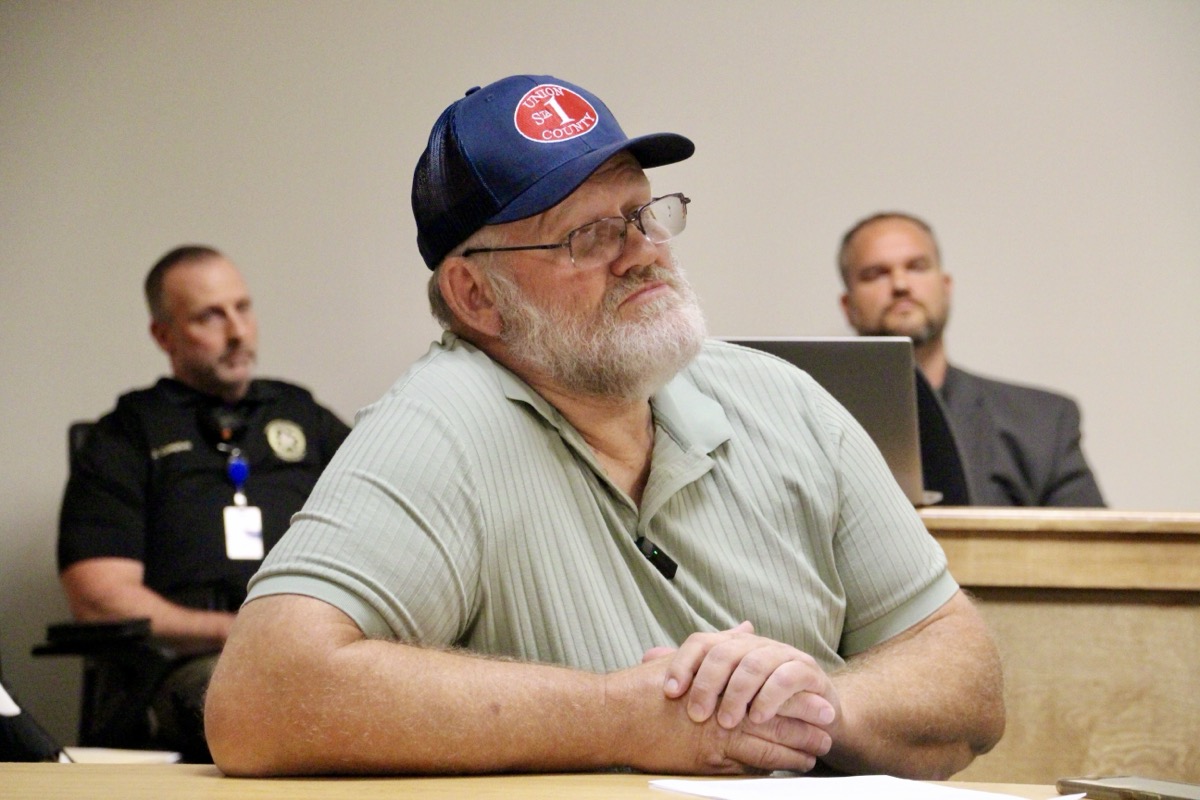
Several opinions were expressed on FLOST during the public Q&A, including negative views on the establishment of an additional sales tax that will add up for people over time, and it was pointed out that residents who do not own property are less likely to receive a direct benefit.
The commissioner again contended that FLOST would lessen the overall tax burden on locals because visitors would be making significant contributions to collections, even if residents had to pay the sales tax as well.
From the audience, Elections Superintendent Libby Stevens implored people to show up to the polls this November, especially considering that the Special Primary Election from June featured particularly low voter turnout.
The Commissioner’s Office has scheduled a Town Hall Meeting to continue educating the public on FLOST. The Town Hall is set for Thursday, Sept. 4, at 6 p.m. inside the Union County Schools Fine Arts Center.
Commissioner Collins conducted a variety of other business in the Aug. 21 county meeting, additional coverage of which will appear in an upcoming edition of the newspaper.