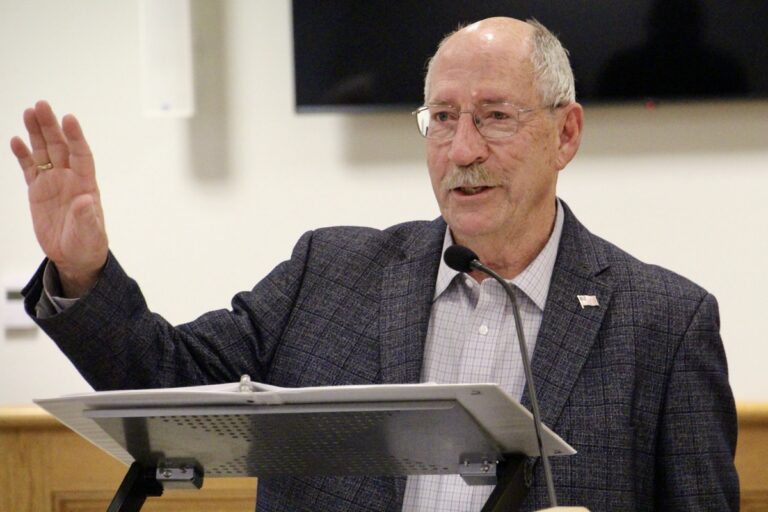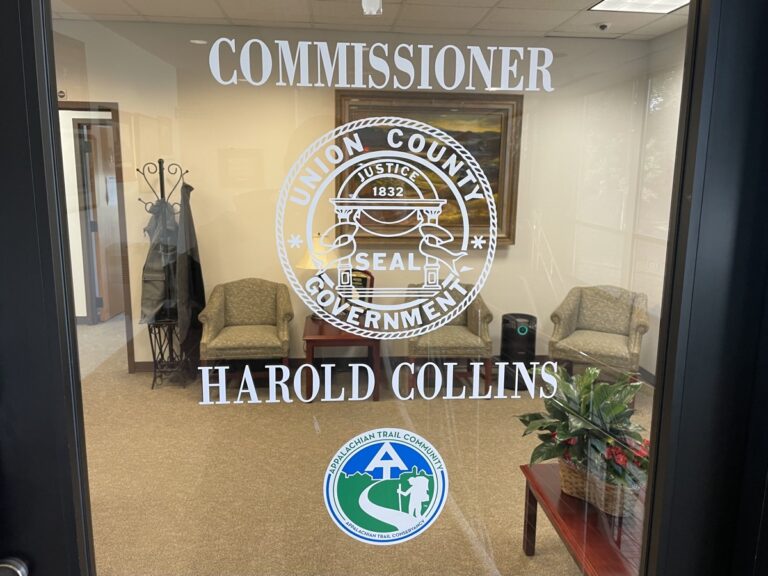
Union County Sole Commissioner Harold Collins adopted the rollback millage rate for the county portion of 2025 property tax bills in a called meeting on Thursday, Oct. 2, at the Union County Courthouse.
Millage rates are calculated based on budget projections to provide public services for another year, and the Commissioner’s Office began as early as April on preliminary considerations for the Fiscal Year 2026 Budget.
Rollback rates reflect the offsetting value of Local Option Sales Tax collections on gross property taxes. To prevent indirect tax increases due to inflation, the state requires that rollback calculations produce a revenue-neutral levy from year to year.
So, adopting the rollback means Collins believes the county will be able to maintain operations next year with roughly the same amount of property tax dollars collected for last year’s levy.
For 2025, Collins adopted the rollback rate of 3.952 mills, which is 0.179 mills under the 2024 rate. The new rate is projected to bring in about $11.3 million in property tax collections for just a 0.21% increase over the 2024 collection forecast.
Coupled with the Union County School Board’s expected adoption of a millage rate that is below its rollback calculation, most property owners should see a slight reduction in their tax bills for 2025.
County Finance Director Kay Wilcox received plenty of kudos in the meeting for diligently working through the county’s finances since coming on board with the Commissioner’s Office in February, frequently putting in double-digit hours on weekdays with extra weekend work.
That evening, she answered questions and presented slides showcasing financial information related to the rollback calculation for curious members of the public, though only two people posed questions during the meeting.
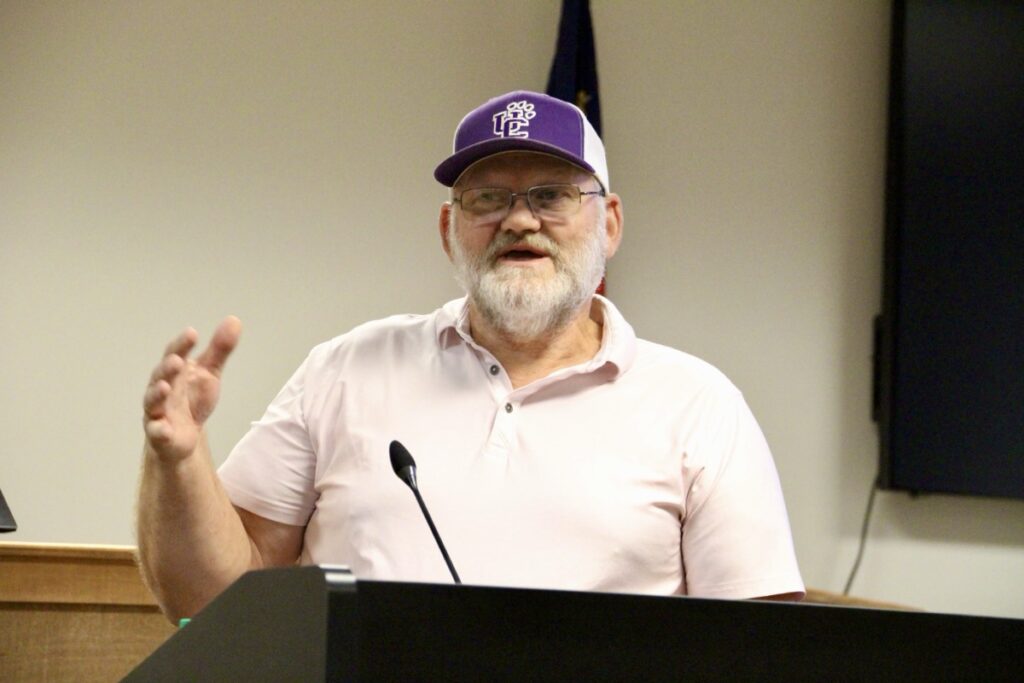
Resident Vince Peterson, a regular public commenter on the county’s finances and budgeting procedures, broached the issue of transparency and an apparent problem with the gross property tax levy from the 2025 digest coming up far short of revenues needed to run the county.
Wilcox explained that the numbers look different this time because, for the last several years, the county had been improperly including certain other tax monies when coming up with the rollback rate, even though everything came out OK on the back-end accounting wise.
She clarified after the meeting that only the portion of collections for this other tax, known as the Insurance Premium Tax, that is not spent on services like public safety and solid waste is supposed to be incorporated into the rollback calculation.
But Union County has been spending all this tax money on the Fire Department – currently projected at about $2.5 million – so none of it should be applied to figure the rollback.
Wilcox said the Commissioner’s Office learned of the calculation error just last month while preparing the 2025 rate for the county.
Peterson thanked Wilcox for clearing up that issue, but he reiterated his long-held concerns about transparency as well as the county spending into a budget deficit in recent years, requiring the use of reserves to plug revenue gaps – an untenable financial position if allowed to continue.
The county operates a calendar-year budget, so Wilcox is still working with department heads and Commissioner’s Office staff to finalize the next budget, which will utilize elements of both “zero-based” and “priority-based” budgeting for the first time.
But she said the 2026 budget will be discussed extensively – and transparently – in a public meeting this November before its final adoption in December. Peterson promised to be there.
“This is not a speedboat – it’s a giant battleship, and we can’t turn it on a dime,” Wilcox said. “The commissioner started Jan. 1, I started in February; we have started moving in the right direction, I believe, and I think we’re going to get there, but it is going to take us some time.”
Further, Commissioner Collins doubled down on his commitment to upholding transparency with the public throughout the budgeting process.
Another resident asked if Collins was budgeting more money to support first responders in light of the “unfortunate increase” in county population, and Fire Chief David Dyer took over from there, saying the first-term commissioner was supporting local public safety “all the way.”
The commissioner adjourned the meeting around the 42-minute mark.